


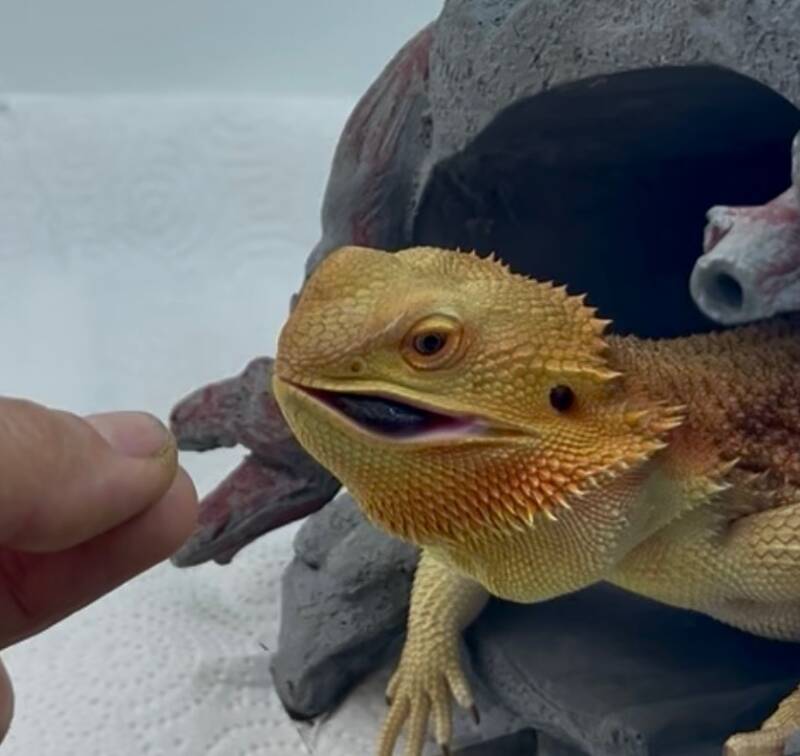
BUG BROWNIES
Built from wild diet research.
Bug Brownies is whole food insectivore nutrition handmade in small batches from six insect species ground into a proprietary flour and baked with farm eggs into something that looks and feels like a rich, dark brownie. Two species of scarab beetle for the protein and chitin that adult insectivores depend on in the wild. Silkworm pupae for the low fat, soft body protein that fills the role snails play in nature. Black soldier fly larvae for the calcium to phosphorus ratio that no other commercially available insect can match. Grasshopper for the wild caught orthopteran accuracy that field research says these animals were designed to eat. Cricket as a guarantee of variety because even the most common insect on the market still belongs in a formula built on diversity. Eggshell and bee pollen ground to flour for the calcium and trace minerals that complete the formula.
Every jar is filled by hand and made with the same attention and the same refusal to cut corners that built ReptiQuiche. Bug Brownies serves the insectivore whose wild diet is built on invertebrates and naturally includes egg protein. Savannah monitors, bearded dragons, blue tongue skinks, juvenile tegus, ackie monitors. Farm eggs bind it all, serving the same role in the jar as a raided nest serves in the field.
The label is simple because the food is simple. Eggs, bug flour, eggshell, bee pollen. Open the jar, look inside, and everything in there is something that crawled in the soil, flew through the grass, hatched from an egg, or was gathered by bees. That is Bug Brownies by WorthWild.

The Story
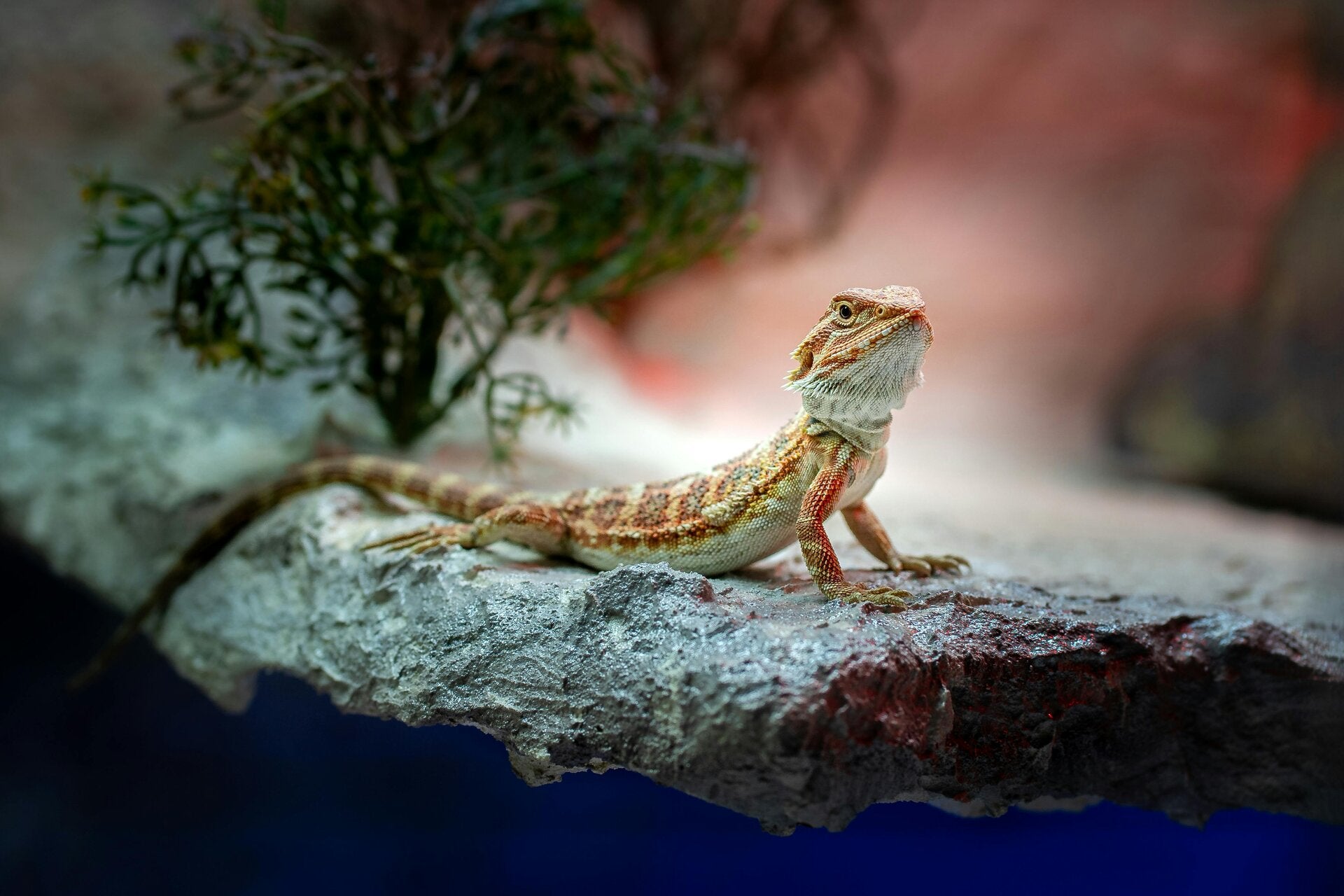
Insectivorous lizards in the wild do not eat one species of insect. They forage across dozens of invertebrate families, shifting from soft bodied larvae to hard shelled beetles as they grow, supplementing with the occasional egg taken from a ground nest along the way. The proportions change with age, the prey changes with season, and the nutritional range of a single week of wild feeding is broader than most captive diets achieve in a year. That is the dietary reality that published field research has documented for decades, and it is the reality that Bug Brownies was formulated to reflect.
Six insect species from three biological families, bound with farm eggs, fortified with eggshell flour and bee pollen, and baked into handcrafted insectivore cuisine for savannah monitors, bearded dragons, blue tongue skinks, juvenile tegus, and ackie monitors. Animals whose biology expects insects first and eggs alongside.

The Ingredients
Scarab Beetle (two species) — 40% Beetles are a primary food source for adult savannah monitors and many other wild insectivores, providing hard shelled protein and calcium through their exoskeletons. Bug Brownies includes two separate scarab species, each contributing a different chitin profile and amino acid composition. The pairing mirrors the dietary variety that wild foraging naturally provides and delivers a depth of chitin diversity that no single insect product on the market can touch.
Silkworm Pupae — 25% Wild insectivores like savannah monitors depend on snails for low fat, soft body protein and additional calcium through the shell. Snails are a critical component of the natural diet that no commercially available feeder can replicate. Silkworm pupae is the closest nutritional analog that exists, matching the fat profile, the digestibility, and the dietary role that snails occupy in the wild. When snails become commercially viable for use in manufactured food, this formula grows to include them. Until then, silkworm pupae fills that role as faithfully as current sourcing allows.
Black Soldier Fly Larvae — 15% BSFL anchors the formula because it is the only commercially available insect with a calcium to phosphorus ratio that actually favors calcium. Most feeder insects are calcium deficient, which is the reason keepers dust everything with powder and hope enough stays on the insect long enough to reach the animal. In Bug Brownies, the calcium advantage of BSFL is baked directly into the food from the start.
Grasshopper — 11% Grasshopper is the ingredient that no other commercially available insectivore food contains. Orthopterans are the dominant prey family in the juvenile savannah monitor diet, with field studies documenting 60 to 70 percent of juvenile intake coming from grasshoppers and their relatives in the wild. It is expensive to source and rare in manufactured reptile food for that reason. It is in Bug Brownies because the research says it belongs there, and this formula was built from the research, not from what was convenient to put in a bag.
Cricket — 9% Cricket is the most accessible feeder insect in the world and the smallest percentage in this formula. It is here because a formula built on six species does not leave one out just because it is easy to find. The point was never to avoid what is common. The point was to include everything that belongs and let the percentages reflect the priority. Cricket belongs. Nine percent says we know that without leaning on it.
Farm Eggs serve the same role in the jar as a raided ground nest serves in the field. They bind the formula, add complete protein with all essential amino acids, and bring a level of bioavailability that dry powder and freeze-dried products cannot match. The egg is not filler. It is a deliberate nutritional inclusion that reflects what these animals seek out alongside their insect diet in the wild.
Eggshell Flour milled in house to a fine flour and baked into every piece. Bioavailable calcium built into the food so it never depends on dusting, supplementing, or remembering. Every piece carries consistent usable calcium without any action from the keeper beyond opening the jar.
Bee Pollen is a complete B vitamin complex, over 5,000 enzymes, trace minerals including copper, magnesium, potassium, and manganese, and the full spectrum of essential amino acids. Bee pollen restores every water-soluble nutrient that gentle baking reduces and adds digestive enzymes that support absorption. It is also the ingredient behind the feeding response that makes Bug Brownies something these animals actively pursue rather than passively accept.
The Baking
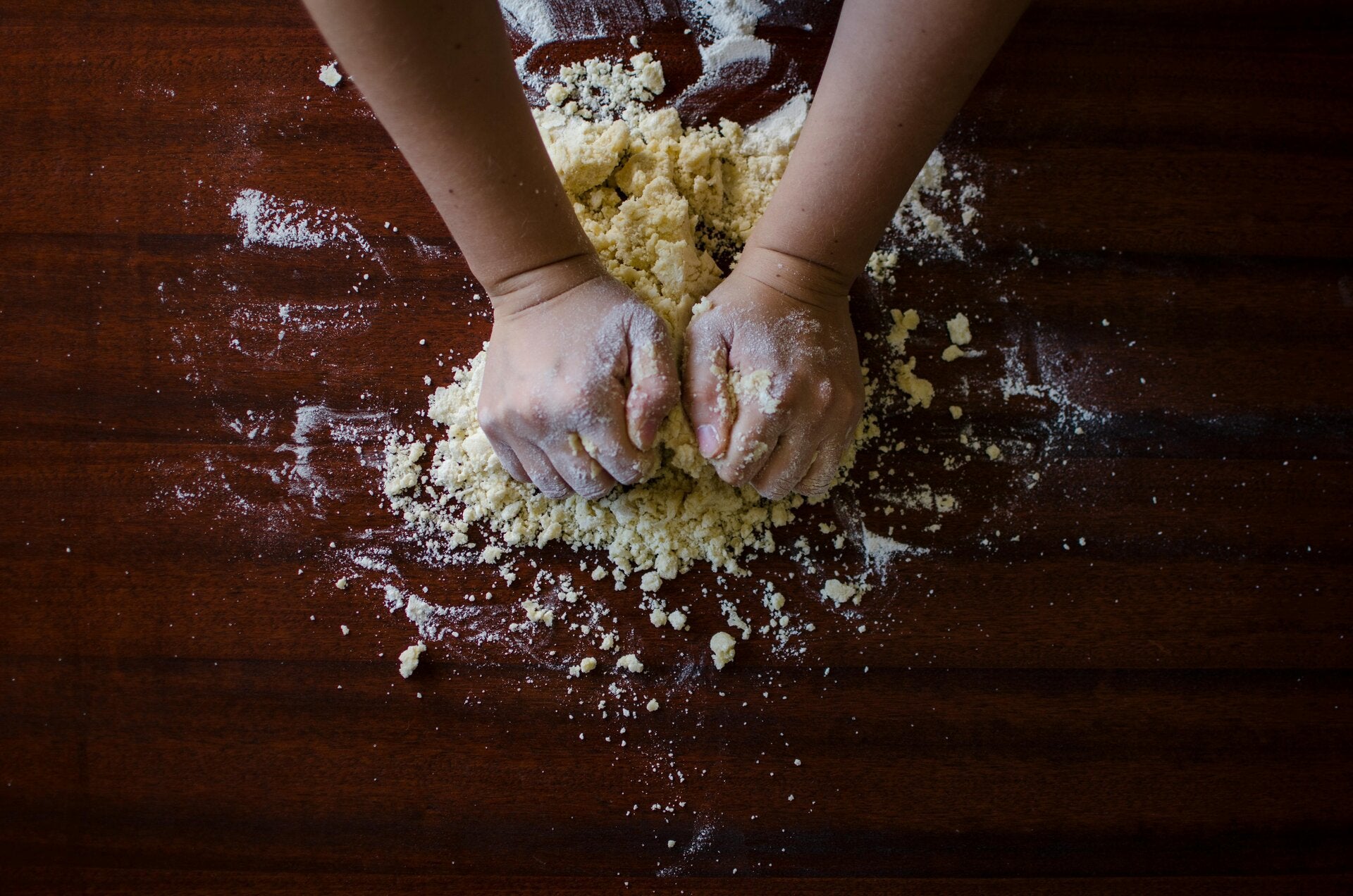
Bug Brownies are gently baked to an internal temperature 165 to 175 degrees. At this range, the proteins in both the insect flour and the egg denature into their most digestible form while every amino acid remains fully intact. Salmonella, parasites, and harmful bacteria are eliminated. Fats and fat soluble vitamins are preserved. The egg sets and gives the brownie its structure while the insect flour integrates into a cohesive food that holds together as a complete meal rather than crumbling into loose powder.
The baking shapes every physical quality of the finished product. The crust, the soft give of a center that holds its shape but never dries out, and the way it breaks apart naturally in the enclosure are all a function of temperature, timing, and the interaction between the egg binder and the insect flour at this specific heat range. It is as much a culinary process as a nutritional one.

The Savannah Conversation
Savannah monitors are the most commonly purchased monitor species in the country and the most commonly lost in captivity. Obesity, metabolic bone disease, fatty liver, organ failure. All connected to diet. All preventable. The care sheets and pet store advice that shaped captive savannah feeding for three decades pointed toward rodents, but field research on wild populations tells a completely different story. Juveniles eat primarily crickets and grasshoppers. Adults shift toward beetles, larvae, and hard shelled invertebrates. Protein comes from chitin. Calcium comes from exoskeletons. Eggs are taken opportunistically from ground nests.
The research was published. Nobody built a product around it. Bug Brownies was formulated to close that gap. Culinary grade lizard nutrition built not as a supplement or a treat, but as a food that reflects what these animals were actually designed to eat. For the keepers whose savannahs are alive today and carrying weight from years on rodents and inappropriate food, this is the transition to something their animal's body was actually built to process. Getting them off the meat and onto a proper insectivore diet is not just better nutrition. It is the intervention that could give them the years they were supposed to have.
Sizes
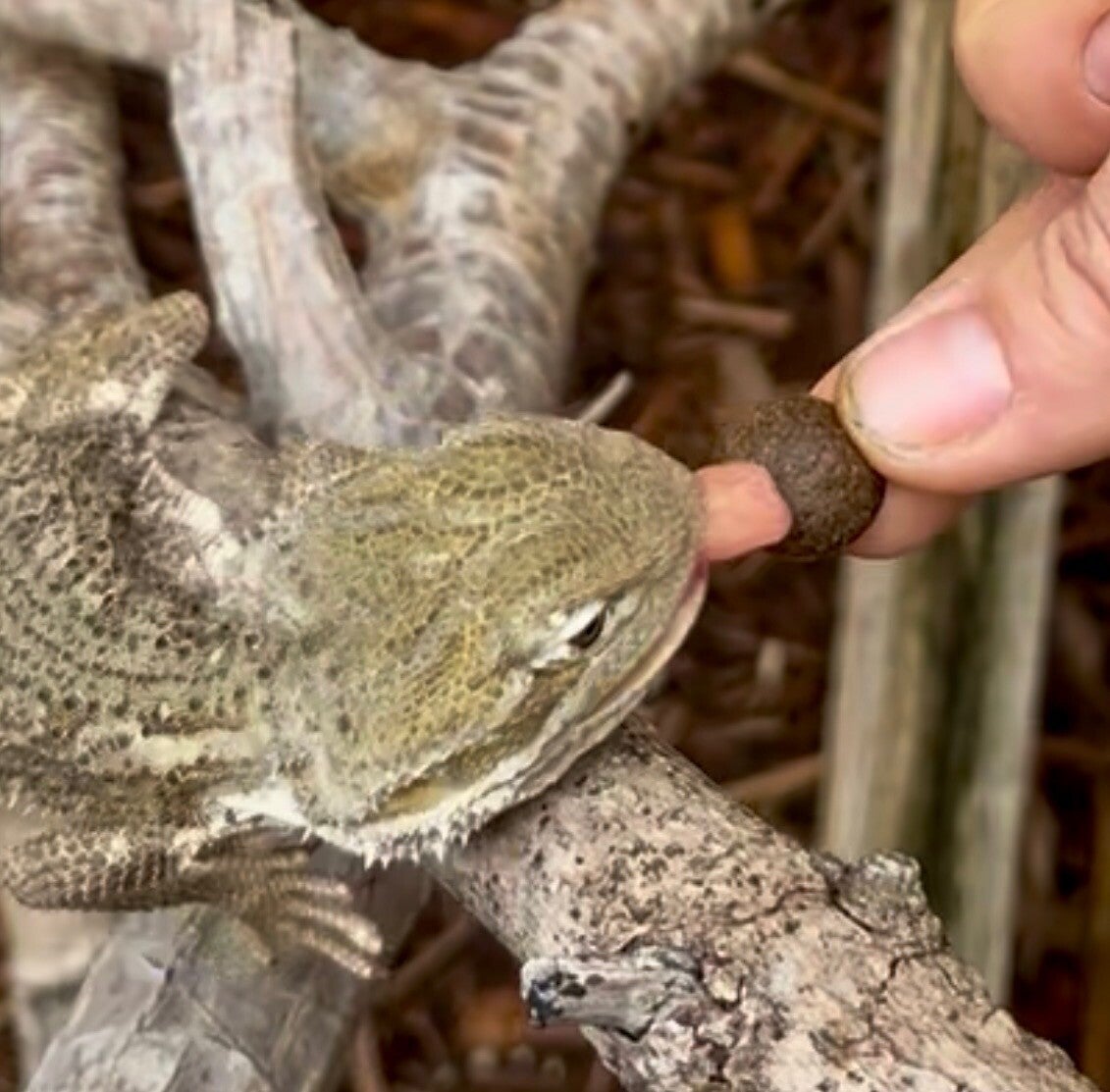
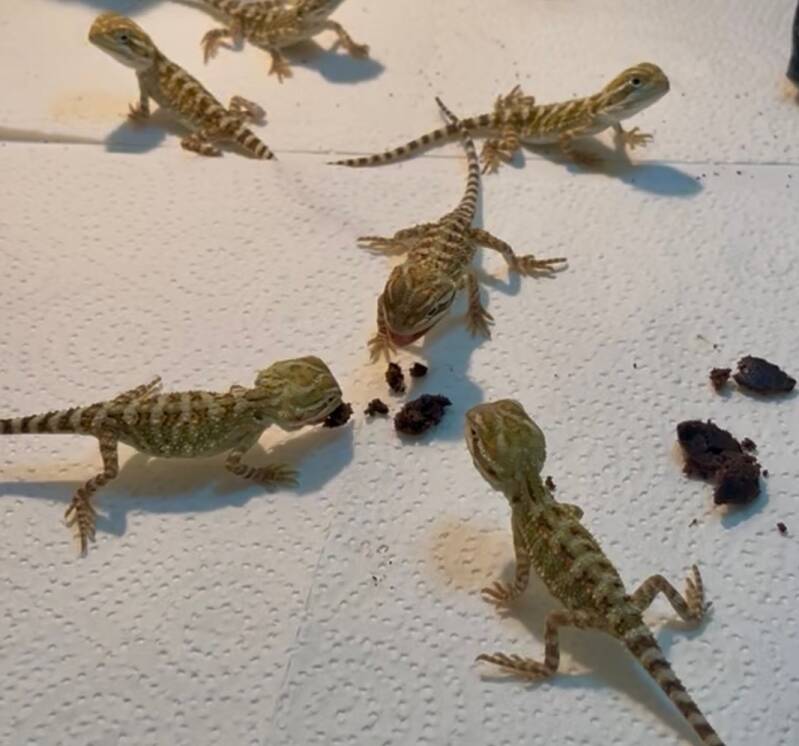
Bug Brownies comes in three sizes. Small pieces are made for the youngest animals and the smallest species. As a juvenile grows into a larger mouth, the next size up can be cut into quarters for a denser, more substantial bite without moving to a piece the animal cannot handle whole. Large pieces are built for the adults. Even the smallest size can be quartered for hatchlings, and if pieces go uneaten they dry in the enclosure without spoiling, still softer than anything else on the market and still worth eating when the animal comes back to them. All three sizes share the same recipe and the same 200 gram jar.

Lab Certification
Every batch is tested through independent laboratory analysis. Crude protein, crude fat, crude fiber, moisture, ash, calcium, phosphorus. Tested, published, and printed on every label. The guaranteed analysis is a measured result from a certified lab, not a claim.


Who It Feeds
Bug Brownies was formulated for insectivorous lizards whose wild diet is built on invertebrates and naturally includes egg protein from raided nests on the ground, in the brush, and in the canopy. Savannah monitors, bearded dragons, blue tongue skinks, juvenile tegus, and ackie monitors. Smaller arboreal species like tree monitors, whose insectivore diet plays out in the canopy rather than on the savanna floor, can also benefit from the small size where the piece is proportioned for a more delicate mouth and a lighter frame. Luxury in every bite. These animals were created to forage with purpose. Every instinct they carry, every behavior they exhibit in the enclosure, points back to a design that expected variety, complexity, and the full breadth of what the earth provides. Bug Brownies was made to honor that design.


